
Peak Flow Logo Peak Flow Contact Us
Contact Us

Why Your Energy Crashes at 3pm and How to Fix It

The afternoon slump isn't inevitable. It's about understanding your body's rhythm and making one small change that actually sticks.

Person at desk looking refreshed with water bottle, showing signs of taking a proper break

It's 3pm. Your eyes feel heavy. The document in front of you blurs a little. You've had coffee. You've had lunch. Yet somehow you're hitting a wall that feels impossible to climb.

This isn't laziness. It's not that you're out of shape or lacking discipline. What's happening is physiological — your body's circadian rhythm is doing exactly what millions of years of evolution designed it to do.

The good news? You can work with your biology instead of against it. The afternoon slump is real, but it's also manageable. Most people don't fix it because they're looking for the wrong solution. They reach for more coffee or sugar. What actually works is something simpler.

What You'll Learn

  • Why your energy dips at 3pm (it's not random)
  • The biological mechanism behind the slump
  • Three practical fixes that actually work
  • How to adjust your schedule to match your rhythm

Understanding Your Circadian Dip

Your body runs on roughly a 24-hour cycle. Most people think of this as just a sleep-wake thing. But it's much more detailed than that. Throughout the day, your cortisol levels, body temperature, and alertness go up and down in predictable patterns.

Between 2pm and 4pm, most people experience what's called the "post-lunch dip" or secondary circadian low. It's not directly about the lunch you ate — it happens even if you skip lunch. Your core body temperature drops slightly. Your brain shifts toward different neurotransmitters. You become naturally more inclined toward rest.

This dip exists for a reason. In cultures that still follow biphasic sleep patterns, this is when the second sleep happens. Your body is telling you it's genuinely tired. Fighting it with caffeine is like yelling at a smoke detector instead of opening a window.

The key insight: You're not broken. You're not lazy. You're responding to a biological signal that's as real as hunger.


Graph showing energy and cortisol levels throughout the day with a marked dip at 3pm, labeled circadian rhythm visualization

About This Information

This article provides educational information about energy management and circadian rhythms. It's not medical advice. Individual responses to these strategies vary based on sleep quality, nutrition, stress levels, and other factors. If you're experiencing chronic fatigue or severe energy crashes, consult a healthcare professional to rule out underlying conditions.

Woman working at desk during afternoon hours with natural light from window, showing focused work environment

The Three Things That Actually Work

Most people try the wrong fixes. They drink more coffee. They eat sugary snacks. These create a brief spike followed by an even deeper crash 30 minutes later. Here's what actually helps.

1. Strategic Light Exposure (15 minutes)

This is the single most effective intervention. Bright light suppresses melatonin production and signals to your brain that it's daytime, not naptime. The timing matters. At 2:30pm, before you hit the crash, step outside or position yourself near a bright window for 10-15 minutes. Don't wear sunglasses. Let your eyes actually receive the light.

Why this works: Your eyes contain photoreceptors that communicate directly with your suprachiasmatic nucleus — the brain's master clock. This is a biological signal, not willpower.

2. Movement (5-10 minutes)

Not a full workout. A walk. A short staircase. Even standing and stretching. Movement increases blood flow and raises core body temperature, which counteracts the afternoon dip. The effect is immediate and lasts 60-90 minutes.

The best part? You don't need to be fit. A 5-minute walk has the same effect whether you're an athlete or haven't exercised in years.

3. Protein + Water (Not Carbs)

If you're eating at 3pm, protein and hydration work. Sugar and refined carbs don't. They spike your blood sugar briefly, then drop it lower than before. A handful of nuts, a piece of cheese, or a protein bar keeps your glucose stable. Dehydration amplifies the slump — most people are dehydrated without realizing it.

Combine these three: light, movement, and a protein-water combo. You don't need all three every day. Even one of them makes a measurable difference.

Redesigning Your Afternoon Schedule

Once you understand the slump, you can schedule around it instead of fighting it. This isn't about working harder. It's about working smarter with your biology.

1

Schedule Deep Work Before 2pm

Complex thinking, decisions, creative work — do these in the morning when your alertness is naturally high. Your brain is literally more capable.

2

Use 3-4pm for Administrative Tasks

Emails, scheduling, routine work that doesn't require peak mental performance. This is when you're naturally slower — work with that, not against it.

3

Build in a Transition Break at 2:30pm

Before the dip fully hits, take 15 minutes. Walk outside. Get light exposure. Move. This prevents you from crashing at all.

4

Plan Your Second Peak for 5-7pm

After the dip passes, your energy naturally rises again. Save important meetings or secondary priority work for this window.

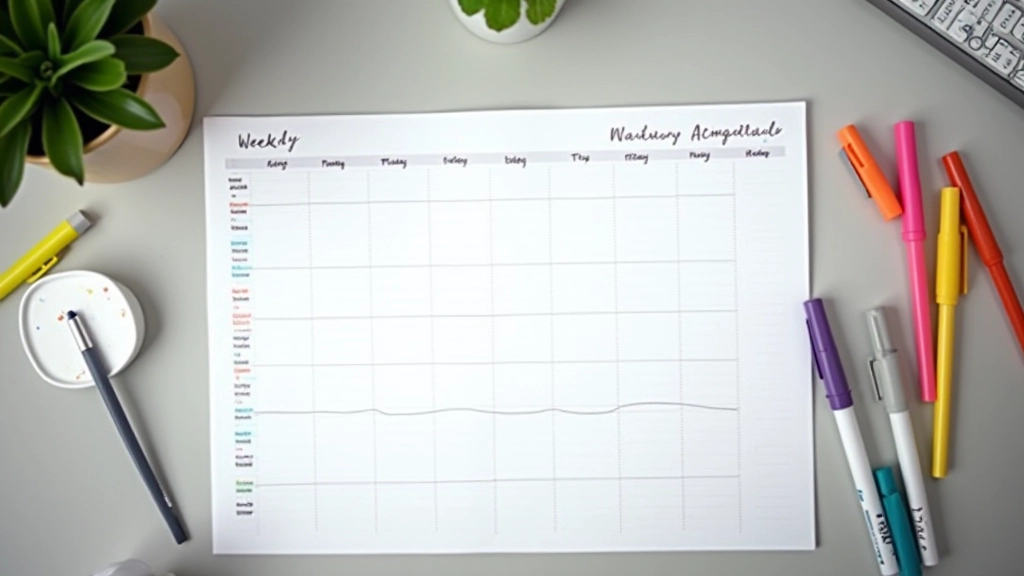
Planner and calendar showing scheduled time blocks for different types of work throughout the day

The Real Fix Isn't Forcing It

The afternoon slump has frustrated millions of people because most advice treats it as a personal failing. "Just push through." "Drink more water." "Exercise more." These miss the point. Your body isn't broken. It's working exactly as designed.

The actual fix is accepting that your energy fluctuates, and then working with that reality instead of against it. Light exposure before the dip. Movement during it. The right food. Scheduling that matches your natural rhythm.

You don't need to become a different person or fight your biology. You need to understand it. And you've just done that. Start with one change — probably the 15-minute light exposure. It's the easiest to implement and the most effective. After two weeks, you'll wonder why no one explained this sooner.

Ready to apply these principles to your whole schedule?

Learn how to protect your peak hours
Marcus Lau

Marcus Lau

Director of Productivity Research & Performance Coaching

Marcus Lau is a performance psychologist and energy management specialist at Peak Flow Limited, with 14 years of experience optimizing productivity systems for Hong Kong professionals.